



my•mense X sustainability

9 to 10 liters

Water is required for the production of a single tampon.

49 billion

An estimated number of single-use menstrual products are thrown away every year.

7_881a6db9-a7fd-4af9-9f30-e005ba8ba9b7

Less waste

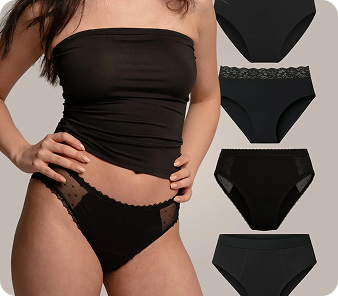
Unlike disposable products such as tampons or pads, period underwear is reusable and can be worn for several years. Furthermore, disposable products must be purchased and disposed of every month.

6_f7862af5-b511-4ddc-af27-cd894fe3739e

Vegan & biocide-free

my•mense period underwear is made from environmentally friendly materials to minimize its impact on the environment.

Because the intimate area is a particularly sensitive part of the body, we do not use any biocides or substances that are harmful to you or the environment. All our my•mense models are 100% vegan.

9_419999b9-a740-4bb5-a349-becc3088b0cb

Plastic reduction

Disposable tampons and pads often contain a significant amount of plastic. According to a study by the United Nations Environment Programme (UNEP), around 5.8 billion tampons were used worldwide in 2018, most of which were wrapped in plastic. This plastic often ends up in the environment and can have harmful effects on ecosystems. Period underwear offers a plastic-free alternative.

10_b6ce7ba8-9d5a-4ac2-ac8a-1ceecd013f35

Ecological footprint

A 2020 study examining the ecological footprint of period products found that reusable products like period underwear have a carbon footprint that is approximately 40% to 90% lower than that of disposable products. This is due to reduced resource consumption, a longer lifespan, and a lower volume of waste.